
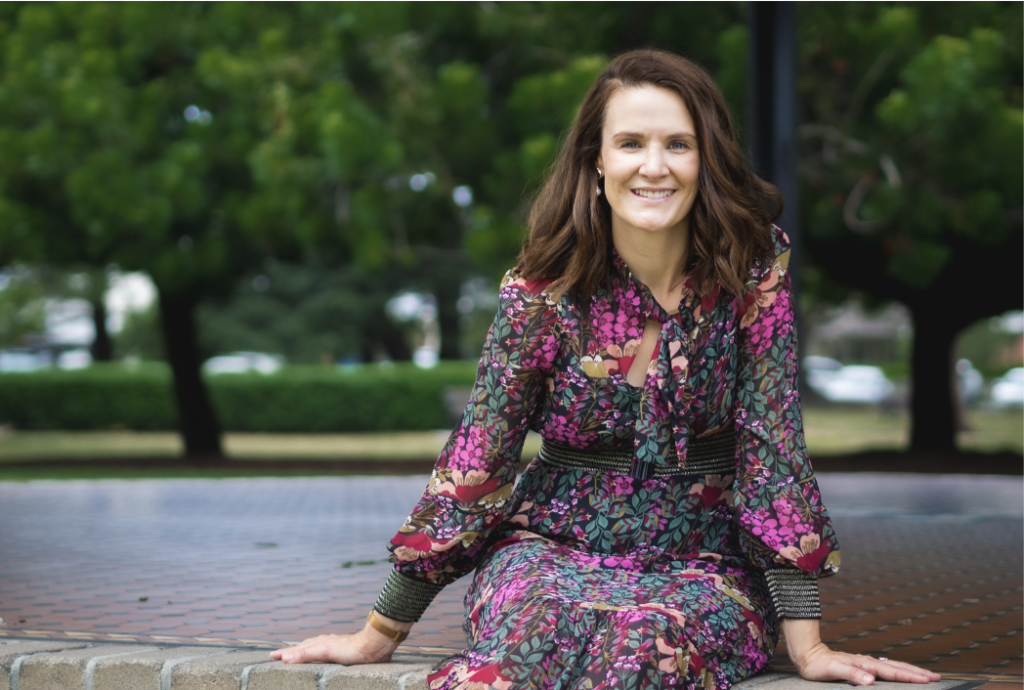
A day in the life of a Family Dispute Resolution Practitioner (FDRP).
Until I did my training to become an FDRP, I didn’t fully appreciate the work that goes into each FDR conference behind the scenes, to ensure the participants have the best chance of resolving their disputes.
I personally start the FDR process with a very thorough 1-hour + telephone-based intake session, gathering as much information about the participants, the children, and the dispute as possible. Doing this confidentially allows the participants to let out a bit of steam before the main event, and allows them to be informed about the process, so they don’t feel like they’re going into the FDR session blind.
The day prior to the FDR Conference, I reviewed the mediation process, textbooks and course work relating to conflict theory, and personalise my process based on the information gathered at the intake sessions. I strategise how to conduct the mediation session, in a way that is not going to ignite the conflict, but will facilitate communication and understanding.
After the conference is finished, I always follow up the session with my own personal reflection; what did I do well, and what can I improve on for next time?
Taking this approach is time-consuming, sure. But seeing participants resolve their family law disputes through dialogue, makes it all worth it!
If you’re an FDRP or lawyer, what does your process for preparing for a mediation look like?
If you’re a lawyer who participates in mediation, how do you prepare yourself and your client to make sure the mediation is as beneficial for the parties as it possibly can be?